Kitchen Extractor Fan Diagnostic Tool
Select the symptom you are experiencing with your extractor fan to identify the likely cause and estimated repair cost.
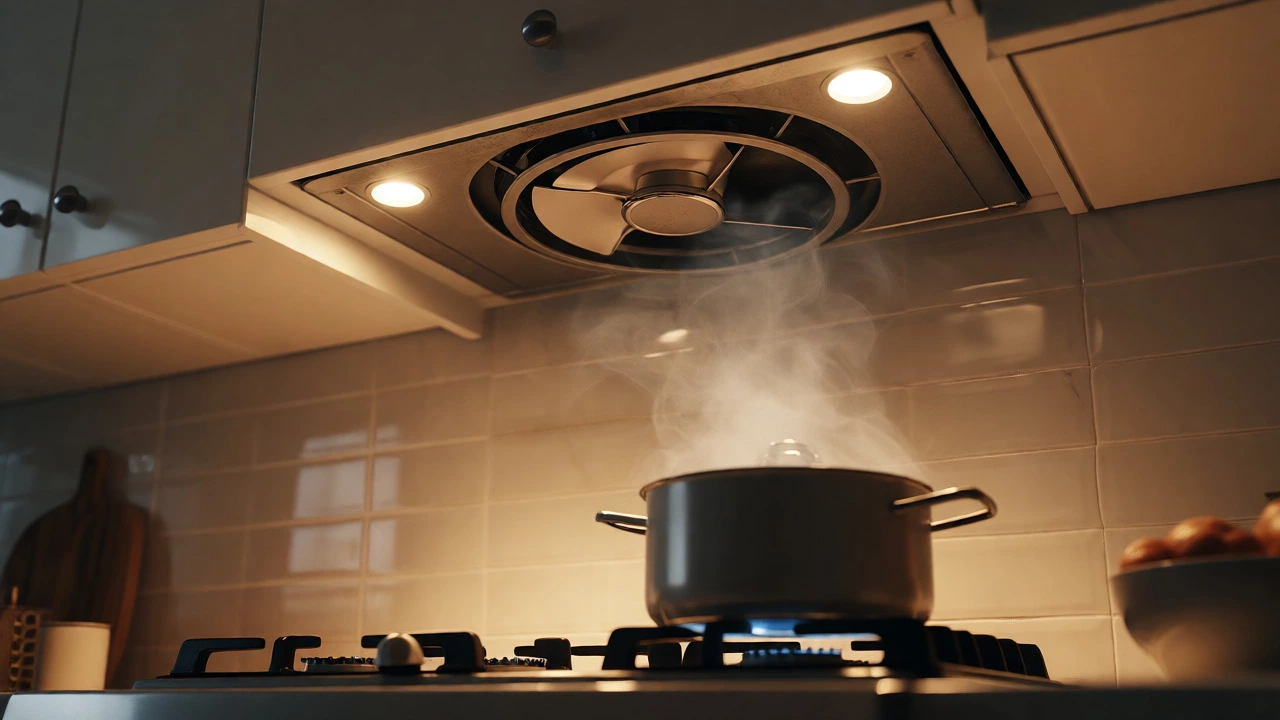
You turn the switch on, expecting that familiar hum and suction to clear out the smoke from your burnt toast or the steam from your pasta pot. Instead? Silence. Or worse, a rattling noise that sounds like a helicopter landing in your ceiling. It’s frustrating, especially when you’re mid-cook and the smell of frying onions is starting to seep into your curtains.
Most people assume their extractor fan has died completely. But here’s the thing: it’s rarely dead. Usually, it’s just blocked, disconnected, or missing a tiny component worth less than $20. Before you call a technician or rip the whole unit out, let’s figure out why your kitchen ventilation system decided to take a holiday.
The Power Supply Check You Probably Skipped
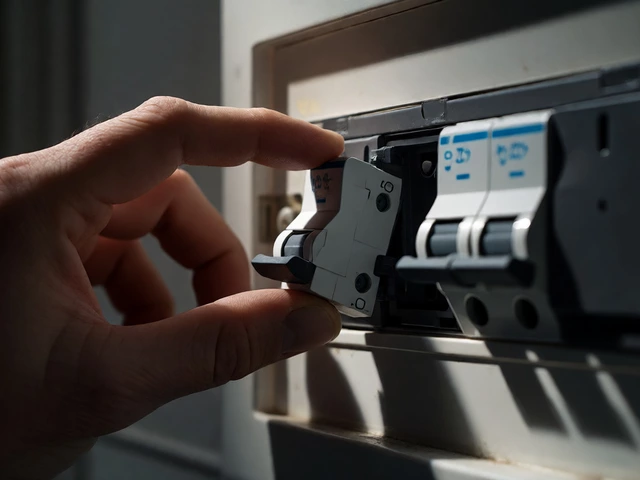
It feels too simple to be true, but half of all "broken" fans are actually just unplugged or tripped. If your extractor fan is plugged into a socket under the sink or behind the oven, check if the plug has worked loose due to vibration. If it’s hardwired (which most built-in units are), head to your switchboard. Look for a tripped circuit breaker labeled "Kitchen," "Ventilation," or sometimes just "Power." Reset it. If it trips again immediately, you have a short circuit-stop touching it and call an electrician.
If the power is fine, check the wall switch itself. These switches wear out. The internal contacts can corrode or break off after years of flipping them on and off. A quick test with a multimeter can tell you if electricity is reaching the fan unit. If there’s no voltage at the terminal block, the issue is upstream, not in the fan.
Duct Blockages: The Silent Killer of Suction
Here is a hard truth: if your fan runs but doesn’t pull air, it’s usually because the path is blocked. Grease is sticky. Over time, it coats the inside of the flexible aluminum ducting that connects your fan to the outside wall or roof vent. This buildup narrows the passage until air can’t flow. In Wellington, where we cook a lot of fish and chips, this happens faster than you’d think.
- Check the external vent: Go outside. Is the flap stuck shut by grease or paint? Is it covered in bird nests or spider webs?
- Inspect the internal duct: Remove the filter cover and look down the duct. If you see thick black sludge, that’s your problem.
- The bend test: Flexible ducts often get crushed or kinked during installation. A sharp 90-degree bend creates massive resistance. Straighten it out if you can access it.
A blocked duct forces the motor to work harder. Eventually, it overheats and shuts down to protect itself. Cleaning the duct might bring your fan back to life without buying a new one.
Faulty Capacitors: The Cheap Part That Breaks Expensive Fans
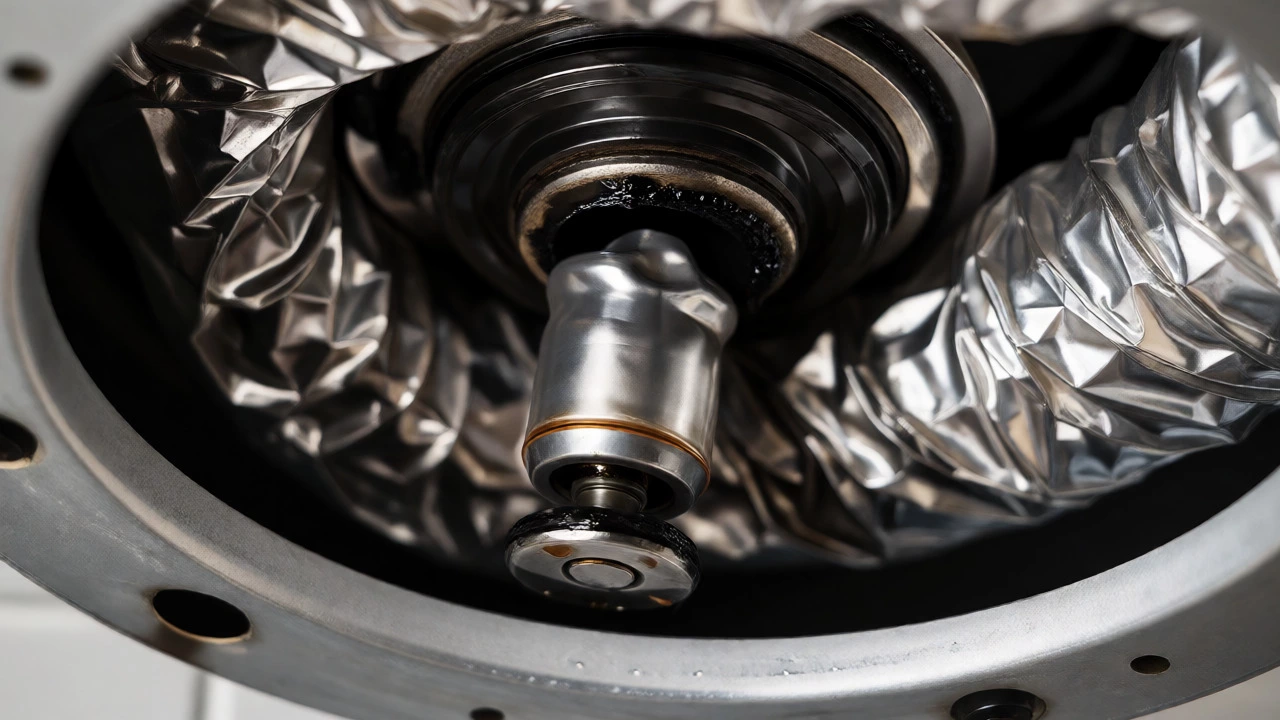
If your fan makes a humming sound but the blades don’t spin, or they spin very slowly, you likely have a bad capacitor. This small cylindrical component helps start the motor. It’s cheap-often under $15-but it fails frequently due to heat and age.
You can spot a bad capacitor visually. Look for bulging tops or leaking oil around the base. If it looks swollen like a balloon, it’s done. Replacing it requires soldering skills or a quick trip to an appliance parts store. Many homeowners skip this step because they assume the motor is dead, then spend $300 on a new fan when they could have spent $20 on a repair.
Motor Seizure Due to Grease Buildup
Unlike bathroom fans, kitchen extractors deal with heavy grease particles. Even with filters, some grease gets past them and settles on the motor shaft and bearings. Over time, this gunk hardens into a varnish-like substance that locks the rotor in place.
Try this: With the power off, gently try to spin the impeller (the fan wheel) by hand. It should move freely with slight resistance. If it’s stiff or won’t budge, the bearings are seized. You can sometimes free it up by spraying a little electrical contact cleaner or penetrating oil (like WD-40 Specialist Contact Cleaner, not standard WD-40 which attracts more dust) onto the shaft and working it back and forth. If it spins freely afterward, clean the blades thoroughly and reassemble. If it remains stiff, the motor bearings are worn out, and replacement is usually cheaper than repairing the motor.

Control Board Failures in Modern Units
Newer extractor fans come with digital displays, touch controls, and timer settings. These rely on a printed circuit board (PCB). Humidity in the kitchen is brutal on electronics. Steam can condense inside the housing, causing corrosion on the PCB traces.
Symptoms include unresponsive buttons, flickering lights, or the fan running continuously even when switched off. Sometimes, a reset fixes it. Unplug the unit (or flip the breaker) for 5 minutes to drain residual charge. Plug it back in. If the display returns to normal, great. If not, the control board needs replacing. Note: For many budget brands, a new control board costs nearly as much as a new fan. Weigh the repair cost against replacement carefully.
| Symptom | Likely Cause | DIY Fix Level | Estimated Cost (NZD) |
|---|---|---|---|
| No response at all | Tripped breaker / Bad switch | Easy | $0 - $50 |
| Humming but no spin | Faulty capacitor | Moderate | $15 - $40 |
| Weak suction | Blocked duct / Dirty filters | Easy | $0 - $30 |
| Loud rattling | Loose screws / Damaged blades | Easy | $0 - $20 |
| Stuck on high speed | Failed relay / Control board | Hard | $80 - $150 |
When to Call a Professional vs. DIY
Should you fix it yourself? Here’s a simple rule of thumb based on our experience servicing kitchens across New Zealand:
- DIY it: If it’s a blockage, dirty filter, loose wire, or obvious broken blade. These require basic tools (screwdriver, vacuum, degreaser).
- Call a pro: If you need to replace the motor or control board on a high-end brand (like Miele or Bosch), or if you suspect wiring issues inside the wall. Electrical safety is non-negotiable. Also, if your fan is over 10 years old, consider replacement instead of repair. Energy efficiency standards have improved significantly; a new DC motor fan will be quieter and use less power than your old AC model.
Remember, extractor fans aren't just about comfort. They remove moisture that causes mold on your walls and cabinets. Ignoring a broken fan can lead to bigger home maintenance bills down the track.
How often should I clean my kitchen extractor fan?
You should wash the metal grease filters every month. Use hot water and dish soap, or run them through the dishwasher if they are stainless steel. Deep clean the interior housing and check the ducting every 6 months to prevent fire hazards and maintain airflow.
Can I use my kitchen extractor fan if it's making a loud noise?
It depends on the noise. If it's a rattle, it might just be a loose screw or debris hitting the blades, which is safe to ignore briefly while you fix it. However, if it's a grinding or screeching sound, stop using it immediately. This indicates bearing failure, and continuing to run it can burn out the motor entirely.
Why does my extractor fan smell like burning plastic?
A burning smell usually means the motor is overheating. This can happen if the fan is blocked and struggling to turn, or if the windings are failing. Turn it off right away. Allow it to cool down. If the smell persists upon restarting, the motor insulation is melting, and the unit needs professional assessment or replacement.
Is it worth repairing an old extractor fan?
Generally, if the fan is more than 7-10 years old and requires a motor or board replacement, it’s better to buy a new one. New models are quieter, more energy-efficient, and often have better filtration. Repairs are only cost-effective for minor issues like capacitors or switches on relatively newer units.
What size extractor fan do I need for my kitchen?
Calculate your kitchen volume (length x width x height in meters) and multiply by 10. This gives you the minimum cubic meters per hour (m³/h) extraction rate needed. For example, a 3m x 3m x 2.4m kitchen needs a fan rated for at least 216 m³/h. Always round up for open-plan areas or frequent heavy cooking.