Electric Hob Crack Risk Checker
Assess Your Risk
Answer these simple questions to understand your risk of hob cracking based on daily habits. Your results will show immediate prevention tips.
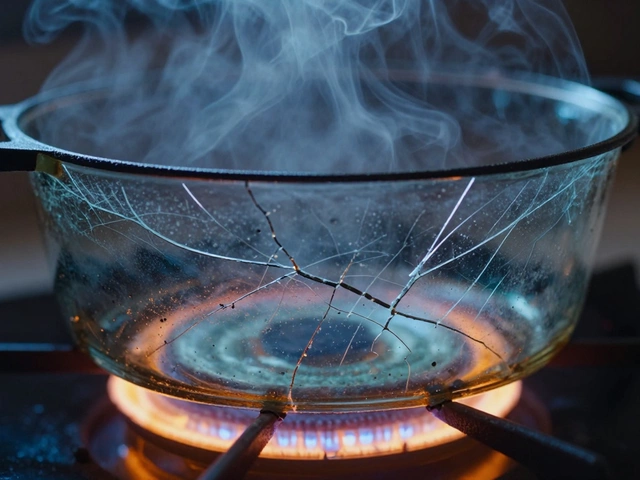
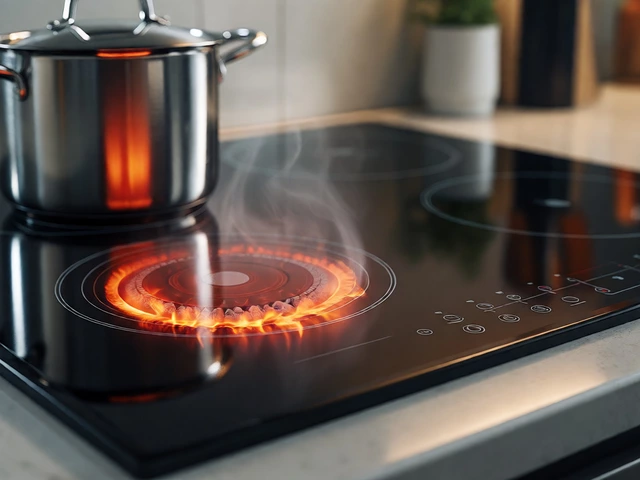
When your electric hob is a cooking appliance with a glass-ceramic surface that uses electrical elements to heat cookware and develops a crack, it's more than a cosmetic issue. A single electric hob crack can lead to serious safety risks like electrical shorts or fire. This isn't rare-about 1 in 10 electric hob repairs we handle involves cracked glass. Let's break down exactly why this happens and how to keep your hob safe.
Thermal Shock: The Silent Cracker
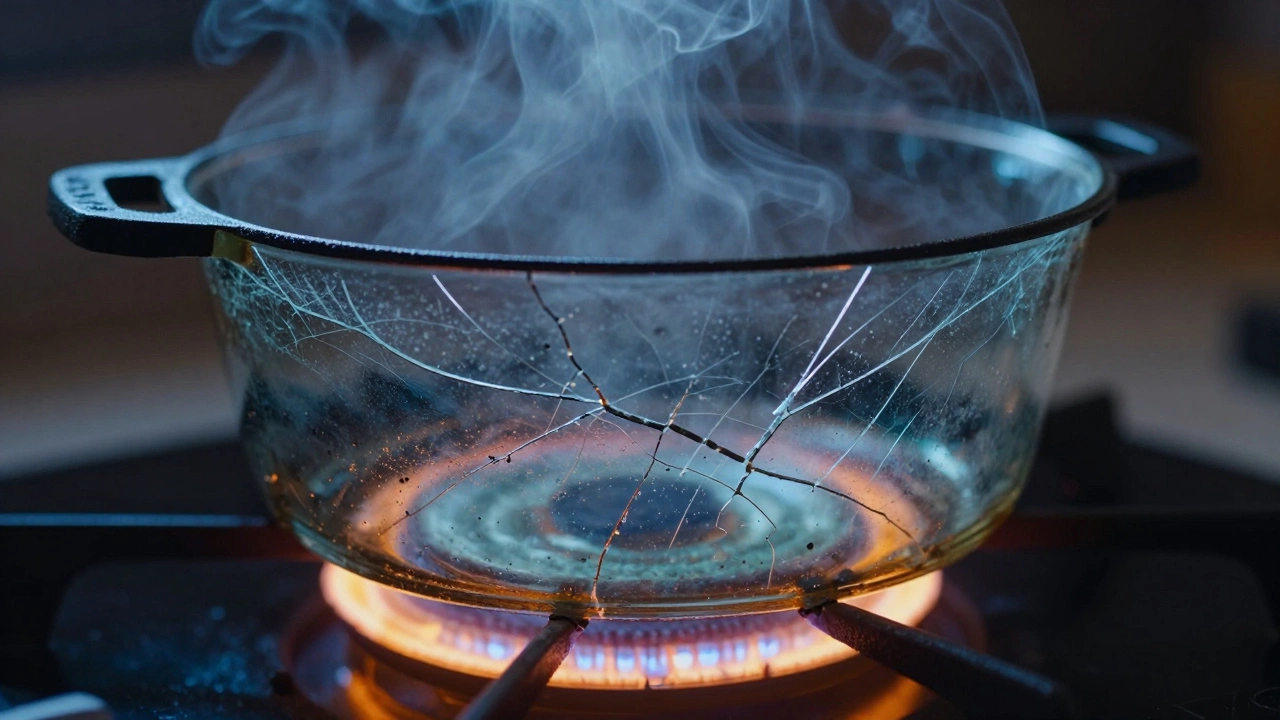
Thermal shock is the top reason electric hobs crack. Glass-ceramic surfaces expand when hot and contract when cold. If this happens too fast, the material can't handle the stress. For example, placing a frozen pot directly on a hot hob creates a massive temperature difference. If the surface is at 300°F (150°C) and you set a frozen item (around 0°F/-18°C) on it, the glass cools rapidly in one spot. This creates internal stress that shatters the surface. Experts say a temperature change over 200°F (93°C) can trigger cracking. Even pouring cold water on a hot hob can cause this. I've seen cracked hobs from people trying to clean spills immediately after cooking. Always let the hob cool for at least 15 minutes before adding cold items.
Physical Damage: Dropping and Scratching
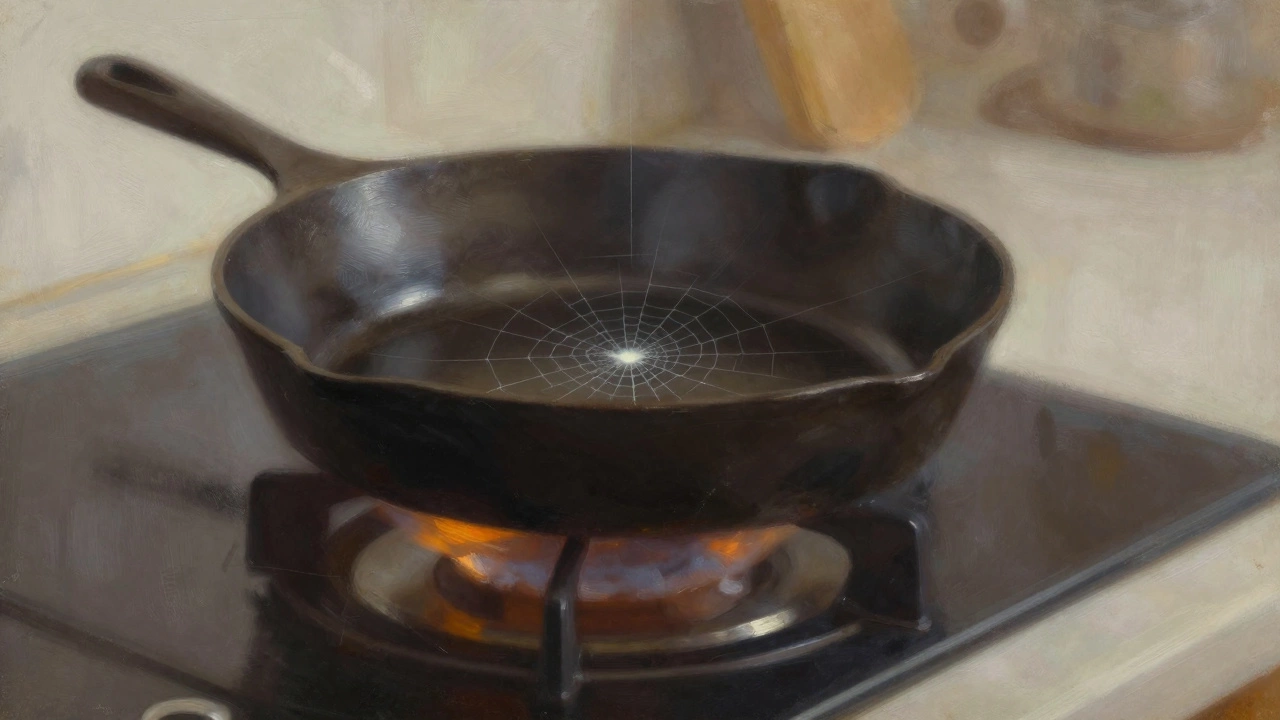
Heavy impacts are another common cause. Dropping a cast iron skillet or a large pot onto the hob can crack the glass instantly. Even sliding cookware across the surface creates micro-scratches that weaken it over time. I once repaired a hob where a user kept dragging a heavy Dutch oven across the glass. After months of this, the surface developed a spiderweb crack. Rough-bottomed pots are especially dangerous. They act like sandpaper on the glass. Always lift cookware instead of sliding it. Also, avoid placing heavy objects like pressure cookers or jars directly on the hob. The weight alone can crack the glass if it's not evenly distributed.
Manufacturing Defects: Rare but Possible
While less common, manufacturing defects can cause cracks. Sometimes, the glass has tiny flaws from production. These might not show up right away but can worsen over time. For instance, a small air bubble in the glass can become a stress point when heated. Reputable brands like Bosch or Siemens test their glass-ceramic surfaces rigorously, but defects still slip through occasionally. If you notice a crack within the first few months of use, check your warranty. Most manufacturers cover defects for at least one year. However, most cracks are from user actions-not factory issues.
Prevention: Keep Your Hob Safe
Most cracks are preventable with simple habits. Here's how to protect your hob:
| Causes | Prevention Tips |
|---|---|
| Sudden temperature changes (thermal shock) | Let the hob cool for 15+ minutes before placing cold items; use trivets for hot pots |
| Heavy impact (dropping cookware) | Lift pots instead of sliding them; avoid placing heavy objects directly on the surface |
| Rough-bottomed cookware | Use smooth-bottomed pots; avoid cast iron with rough bases or damaged coatings |
| Improper cleaning | Use soft cloths and non-abrasive cleaners; never use steel wool or harsh chemicals |
| Manufacturer defects | Buy from trusted brands; check warranty coverage for defects |
Also, avoid using cookware with warped bottoms. They create uneven heat distribution, stressing the glass. If your pot wobbles on the hob, replace it. Clean spills only after the surface cools completely. Use a damp cloth with mild soap-never vinegar or ammonia-based cleaners. These can etch the glass and make it more prone to cracking.
What to Do If Your Hob Cracks
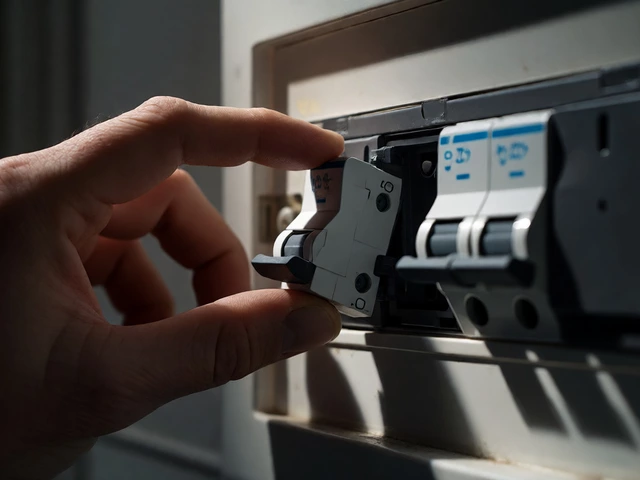
If you spot a crack, stop using the hob immediately. Turn off the power at the circuit breaker and unplug the appliance. Do not attempt DIY repairs. Water or food debris can seep into the crack and cause electrical shorts. This might lead to shocks or fire. Contact a certified technician. They'll assess if the glass can be replaced or if the whole unit needs swapping. Replacement costs vary: a glass panel might run $200-$400, while a full hob replacement could hit $500-$1,000. If your hob is under warranty, the repair might be free. Always get quotes from multiple technicians before agreeing to work.
Frequently Asked Questions
Is it safe to use an electric hob with a crack?
No. A crack can allow moisture or food particles to reach electrical components. This risks short circuits, electric shocks, or fire. Turn off power immediately and unplug the appliance. Never cook on a cracked surface.
Can I fix a cracked electric hob myself?
Never attempt DIY repairs. The glass is fused to electrical wiring and heating elements. Cutting corners could cause electrocution or fire. Only certified technicians should handle repairs. They have the right tools and training to replace glass safely.
What causes thermal shock in glass-ceramic hobs?
Thermal shock happens when the glass cools too quickly in one spot. For example, placing a frozen pot on a hot hob creates a massive temperature difference. Glass expands when hot and contracts when cold. If this change happens too fast, the material cracks. Experts say a difference over 200°F (93°C) can trigger this.
How much does it cost to replace a cracked hob?
Replacing just the glass panel usually costs $200-$400. If the whole hob needs swapping, expect $500-$1,000. Costs depend on the brand and model. Always get multiple quotes. If under warranty, repairs might be free. Check your manual for coverage details before paying.
Can using the wrong cookware cause cracks?
Absolutely. Rough-bottomed pots, warped pans, or heavy cast iron can scratch or crack the glass. Sliding cookware across the surface creates micro-scratches that weaken it over time. Always lift pots instead of sliding them. Use smooth-bottomed cookware designed for glass hobs. Avoid damaged or uneven pots-they create uneven heat and stress points.