Water Heater Troubleshooting Wizard
Step 1: Identify Your Heater Type
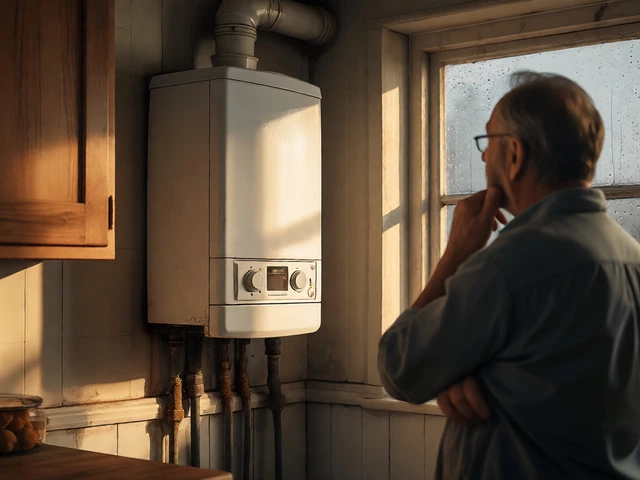
Select the type of water heater installed in your home.
There is nothing quite as miserable as stepping into a shower expecting warmth and getting blasted by an icy shock. If your water heater is suddenly outputting only cold water, you are not alone. This is one of the most common plumbing complaints we see in Wellington homes, especially during the colder months when demand spikes. But before you panic or call for an expensive replacement, take a breath. In many cases, the issue is simple, fixable, and doesn't require a plumber at all.
The reason your unit fails to heat often depends on whether you have an electric tank system, a gas instant unit, or a heat pump model. Each has its own quirks. Let's break down the likely culprits, starting with the easiest fixes and moving toward those that might need professional eyes.
Check the Power Supply First
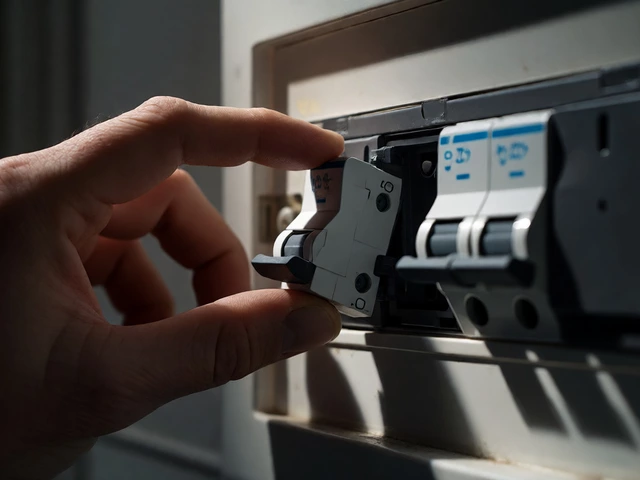
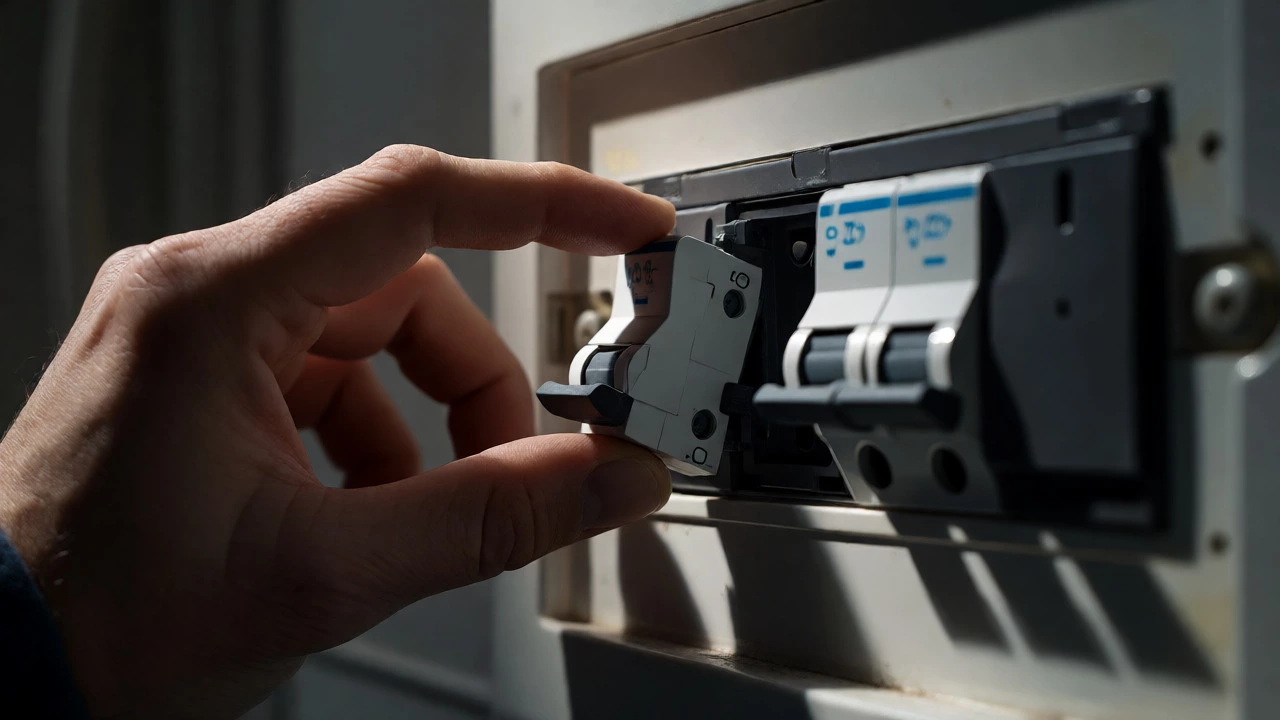
It sounds obvious, but you would be surprised how often the problem is just a tripped circuit breaker. Electric water heaters draw a significant amount of power, and if another high-load appliance kicks in simultaneously-like your oven or dryer-it can trip the safety switch. Go to your switchboard and look for any switches in the "off" position or ones that feel slightly loose. Flip them back on. If it trips again immediately, do not keep resetting it. That indicates a short circuit or a failed component inside the heater, which needs a technician.
If the breaker holds, check the isolation valve near the heater. Sometimes, during maintenance or after a leak, someone accidentally turns off the power supply via a local isolator rather than the main board. Ensure this switch is firmly in the "on" position.
The Thermostat Reset Button May Have Tripped
Most electric storage water heaters come equipped with two thermostats-one for the upper element and one for the lower. These units have built-in safety cut-offs called thermal cut-outs. If the water temperature gets too high (perhaps due to a faulty thermostat reading), these cut-outs trip to prevent boiling or damage. When they trip, the heater stops working entirely until manually reset.
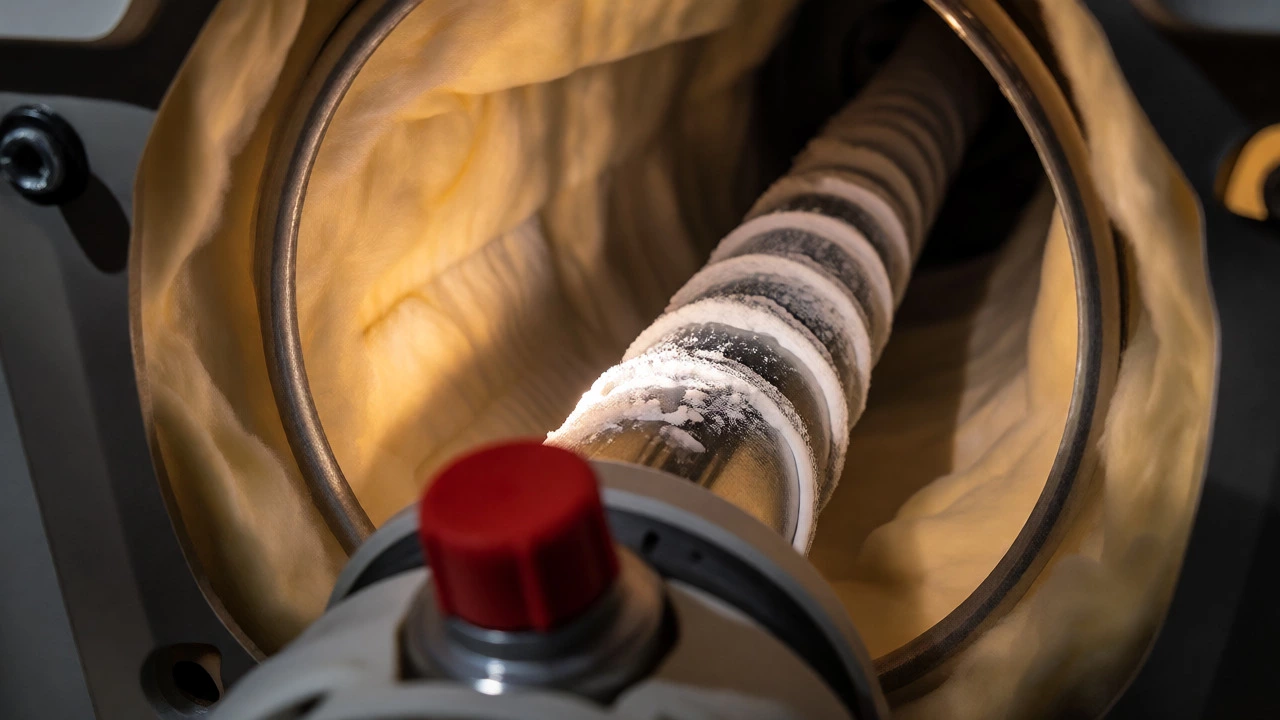
To find the reset button, you usually need to remove the access panel covers on the side of the tank. Inside, you will see insulation and then the thermostats. Look for a small red or black button labeled "Reset." Press it firmly. You should hear a distinct click. If the button pops back out immediately, the thermostat itself is likely faulty and needs replacing. If it stays in, wait about 30 minutes and check if the water heats up.
| Heater Type | Likely Cause | DIY Fixability |
|---|---|---|
| Electric Storage | Tripped breaker, blown fuse, or failed heating element | High (Breaker/Reset) |
| Gas Instant | No gas flow, blocked burner, or ignition failure | Medium (Check gas valve) |
| Heat Pump | Frozen coils, fan failure, or low refrigerant | Low (Professional required) |
| Solar Hot Water | Pump failure, controller error, or lack of sun | Medium (Check display codes) |
Failed Heating Elements Are Common Culprits
If the power is on and the thermostats haven't tripped, the next suspect is the heating element. Over time, mineral deposits from hard water coat the elements, insulating them from the water. Eventually, the metal sheath cracks, or the internal coil burns out completely. A single failed element won't always kill all hot water; often, you get lukewarm water or run out much faster than usual. However, if both elements fail-or if the top element fails in a way that prevents the bottom one from engaging-you'll get zero heat.
How do you know if an element is dead? You need a multimeter. Turn off the power, drain the tank slightly if necessary, and test the resistance across the element terminals. A good element shows continuity (a low resistance reading). An open circuit (infinite resistance) means it's broken and must be replaced. Replacing an element is a job for confident DIYers with plumbing experience, as it involves draining the tank and handling live electrical components safely.
Gas Heaters: Check Ignition and Gas Flow
If you have a gas instant water heater, cold water usually points to ignition failure. Modern units use electronic ignition, while older models rely on pilot lights. For pilot light systems, ensure the flame is blue and steady. If it's yellow or orange, it's burning inefficiently and may go out easily. Clean the thermocouple-the sensor that keeps the gas valve open-with fine sandpaper. If it's dirty, the system thinks the pilot is out and shuts off the gas.
For electronic ignition units, listen closely when you turn on a hot tap. Do you hear the clicking sound of the igniter? If yes, but no flame appears, check your gas supply. Is the gas meter valve fully open? Did you recently run out of LPG? If there is no clicking sound at all, the control module or battery (if applicable) might be dead. Replace the batteries first; it's a cheap fix that solves more problems than you'd think.
Sediment Buildup Can Block Heat Transfer
In areas with hard water, like parts of the Hutt Valley, sediment accumulates at the bottom of storage tanks. This layer of calcium and rust acts as an insulator between the heating element and the water. The element overheats because it can't transfer heat efficiently, triggering the thermal cut-out repeatedly. Even if the element works, the water takes twice as long to heat, making it feel like the system is failing.
Flushing the tank annually helps prevent this. Connect a hose to the drain valve at the bottom of the heater and let it run until the water comes out clear. If you haven't flushed your tank in over five years, and you're seeing cold water issues, severe sediment buildup could be strangling your system. Be careful-if the drain valve is old, it might seize up or leak. Have a plumber inspect it if you're unsure.
Plumbing Mixers and Diverter Valves
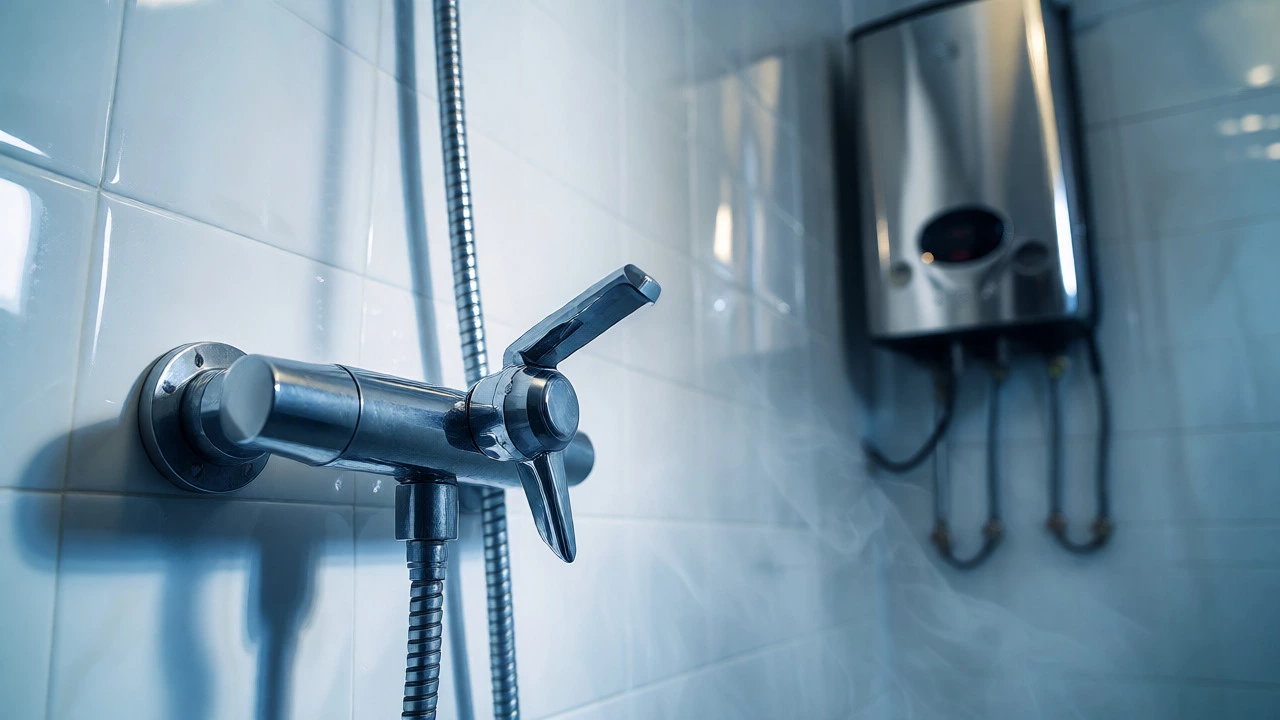
Sometimes, the heater is working perfectly, but your taps aren't delivering hot water correctly. A faulty diverter valve in your shower mixer can stick in the "cold" position, even when set to hot. Test this by checking other taps in the house. Does the kitchen sink get hot water? If yes, but the shower doesn't, the problem is isolated to the bathroom fixture, not the central water heater. Replace the cartridge in the mixer tap, and you'll likely restore hot flow instantly.
Conversely, if every tap in the house gives cold water, focus back on the heater itself. Cross-contamination can also occur if a check valve fails, allowing cold mains pressure to push back into the hot line, diluting the temperature. This is rare but worth noting if symptoms are inconsistent.
When to Call a Professional
You should call a licensed plumber or electrician if:
- The circuit breaker trips immediately upon reset.
- You smell gas or hear hissing sounds near a gas heater.
- There is visible water leaking from the tank body (not just the pipes).
- The unit is over 10-15 years old and showing signs of corrosion.
- You are uncomfortable working with electricity or draining pressurized systems.
Working on water heaters involves combining water and electricity, which is inherently risky. Always isolate the power before removing panels. If you doubt your ability to safely handle the repair, paying for a service call is cheaper than fixing a flood or treating an electric shock.
How long does it take for a water heater to heat up after being turned off?
For a standard 140-liter electric storage tank, it typically takes 60 to 90 minutes to reheat completely from cold. Larger tanks (180L+) may take up to two hours. Gas instant heaters provide hot water within seconds, provided they ignite successfully.
Can I replace a water heater element myself?
Yes, if you have basic plumbing and electrical skills. You must drain the tank, disconnect the wires, unscrew the old element, apply thread seal tape to the new one, and reinstall it. Ensure the power is completely isolated at the switchboard before starting.
Why is my hot water running out so quickly?
This often indicates a broken dip tube. The dip tube directs incoming cold water to the bottom of the tank. If it breaks, cold water mixes directly with the hot water at the top, causing the hot water to deplete rapidly. Another cause is a cracked heating element that isn't heating the full volume of water.
Does a tripped reset button mean my heater is broken?
Not necessarily. It means the water got too hot, triggering the safety mechanism. This could be a temporary glitch or caused by a stuck thermostat. If it resets and stays on, monitor it. If it trips again within days, the thermostat or element is likely failing and needs replacement.
Is it cheaper to repair or replace an old water heater?
If your heater is under 8 years old, repairing elements or thermostats is usually cost-effective. For units over 12-15 years, frequent repairs add up. Replacement is often better for energy efficiency and reliability, especially since newer models meet current NZ standards for insulation and efficiency.