Water Heater Repair: Quick Tips to Get Hot Water Back
Cold showers are the worst, right? Most of the time a water heater hiccup can be sorted without waiting for a technician. Below you’ll find the most common reasons a heater quits, the easy checks you can do yourself, and the signs that it’s time to call in a pro. Let’s get your hot water flowing again.
Common Reasons Your Heater Stops Working
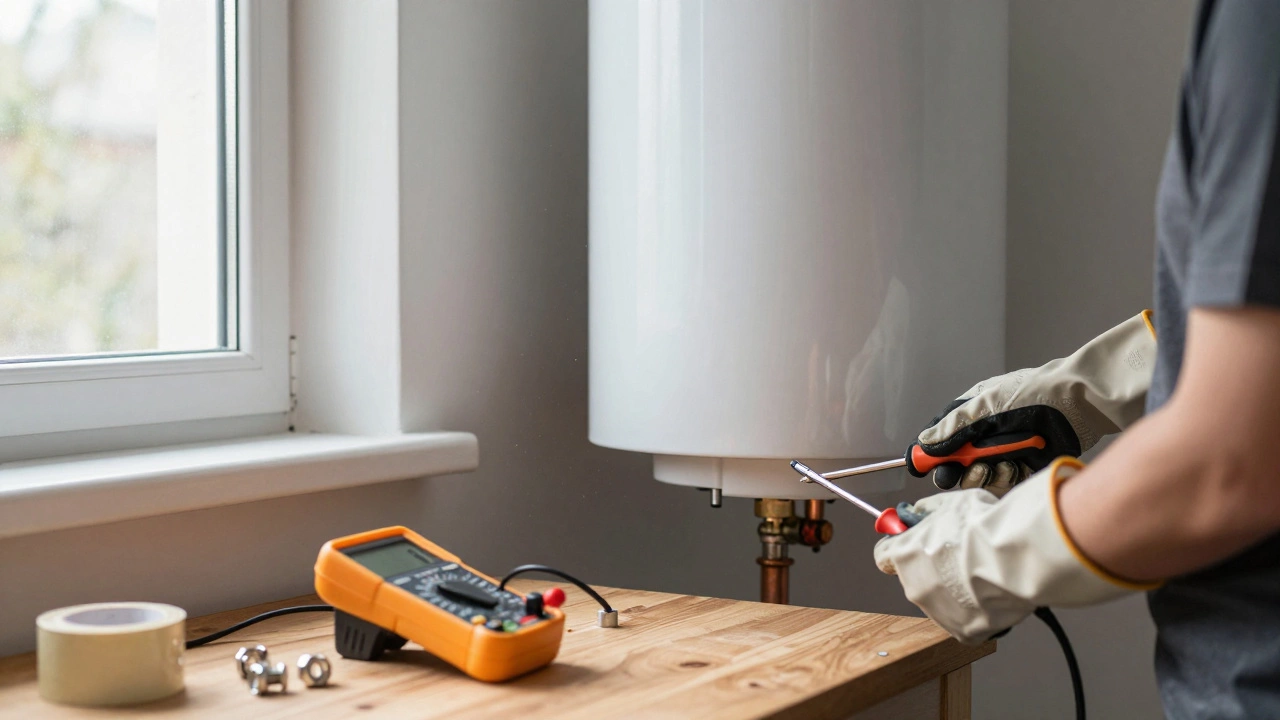
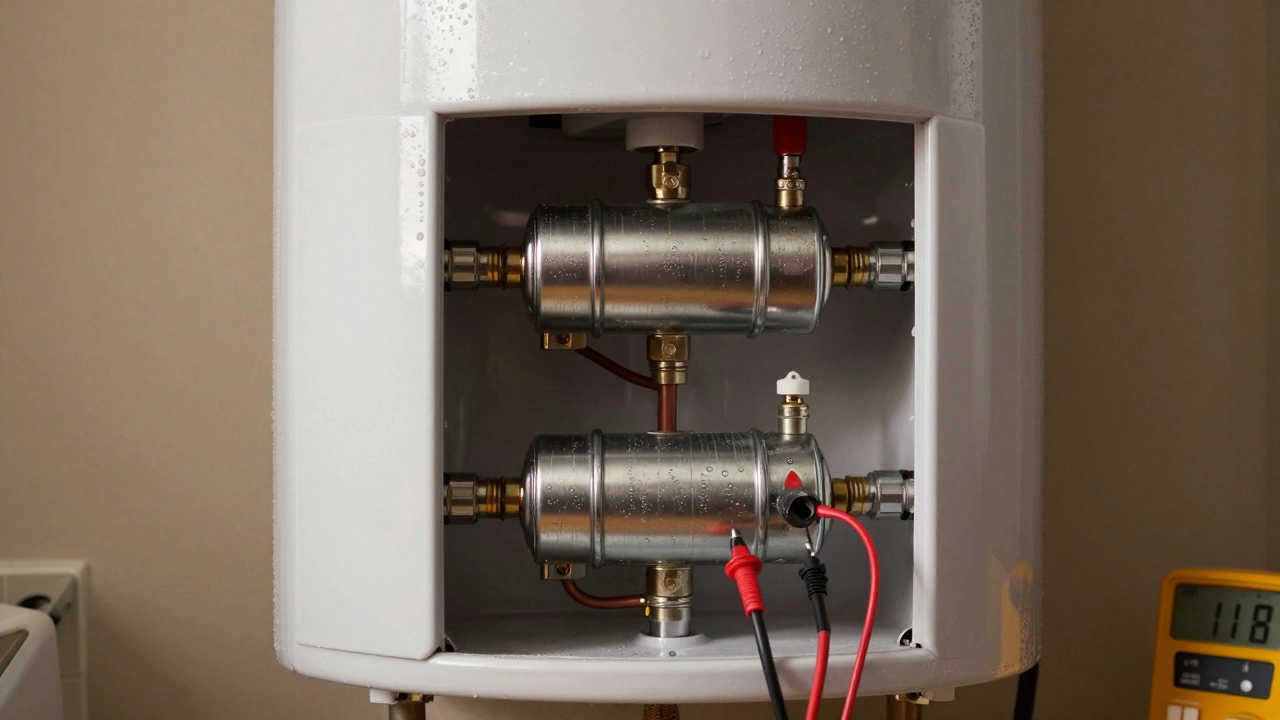
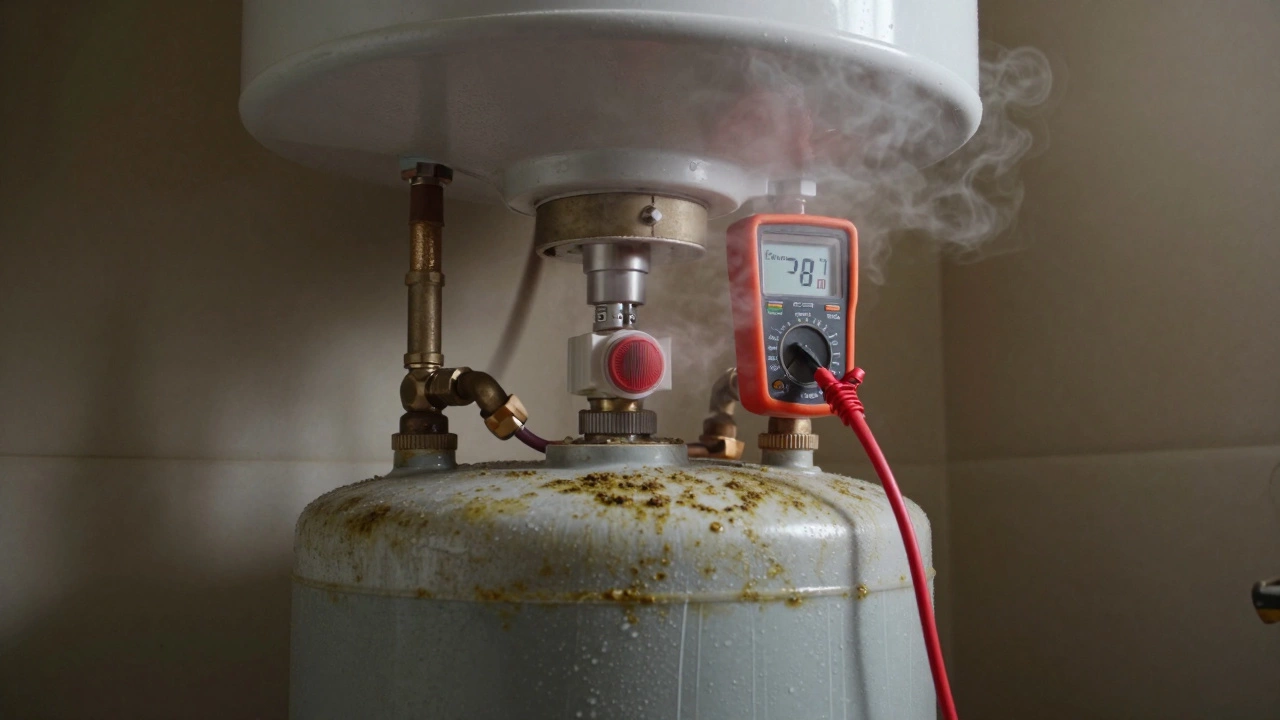
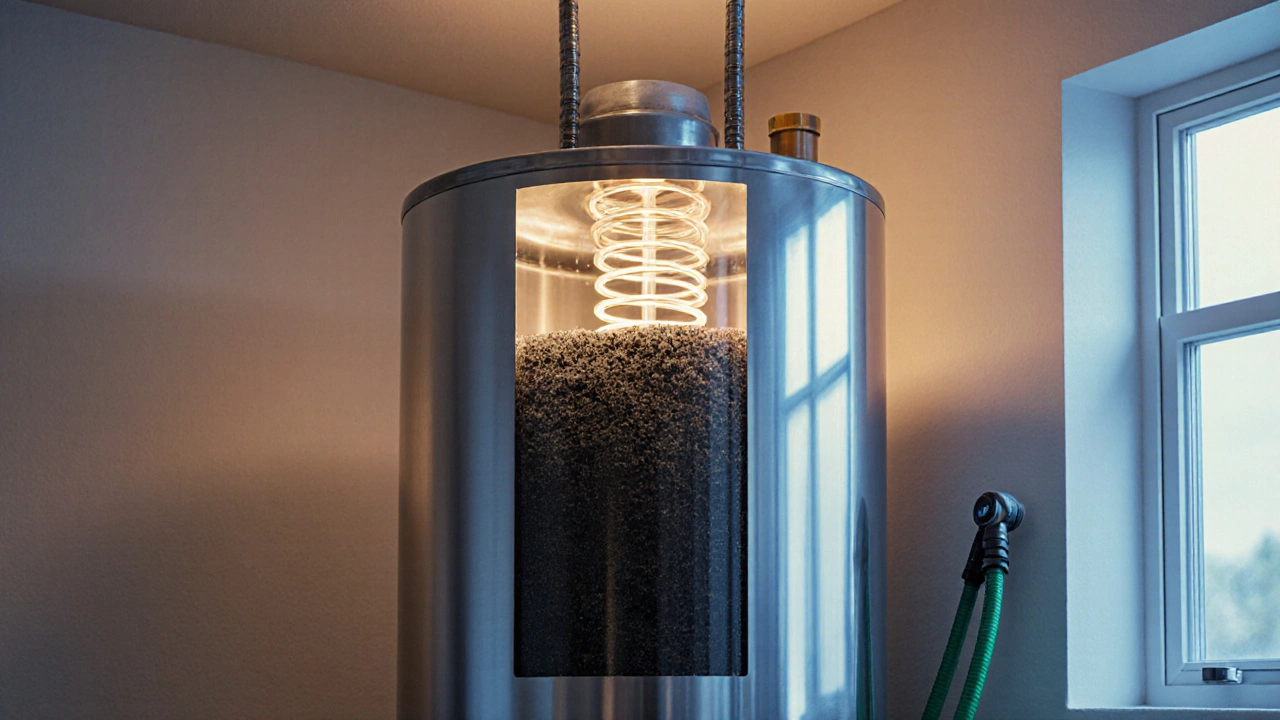
First, think about what actually powers your heater. Electric units need a good circuit breaker connection; a tripped breaker or a loose wire can shut everything down instantly. Gas models rely on a pilot light or electronic igniter—if that flame goes out, the tank won’t heat. Other frequent culprits are a broken thermostat, sediment buildup at the bottom of the tank, or a safety reset button that has popped because of overheating.
Simple Steps You Can Try Before Calling a Technician
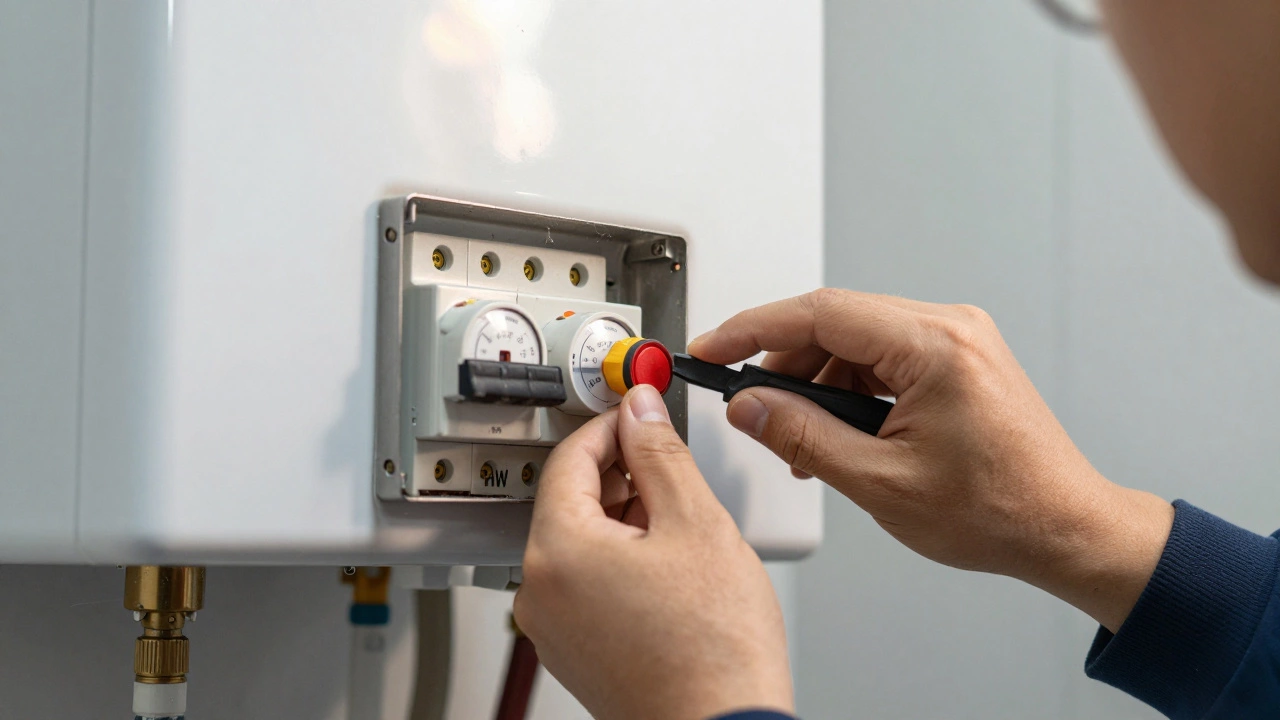
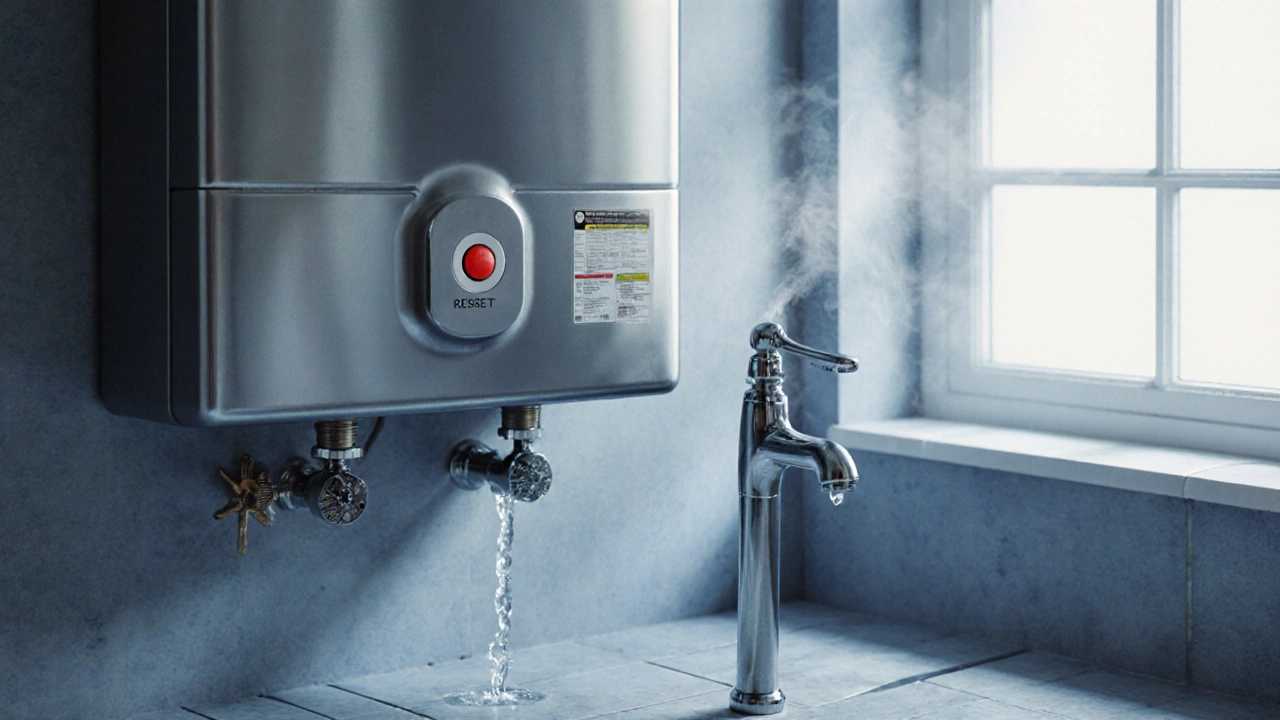
Start with the obvious: check the breaker or fuse box. If the switch is off, flip it back on and listen for a click. For gas heaters, look for a lit pilot or a glowing igniter; if it’s out, follow the manufacturer’s instructions to relight it safely. Next, locate the reset button on the heater—usually a red button near the thermostat. Press it firmly for a few seconds; many minor faults clear up this way.
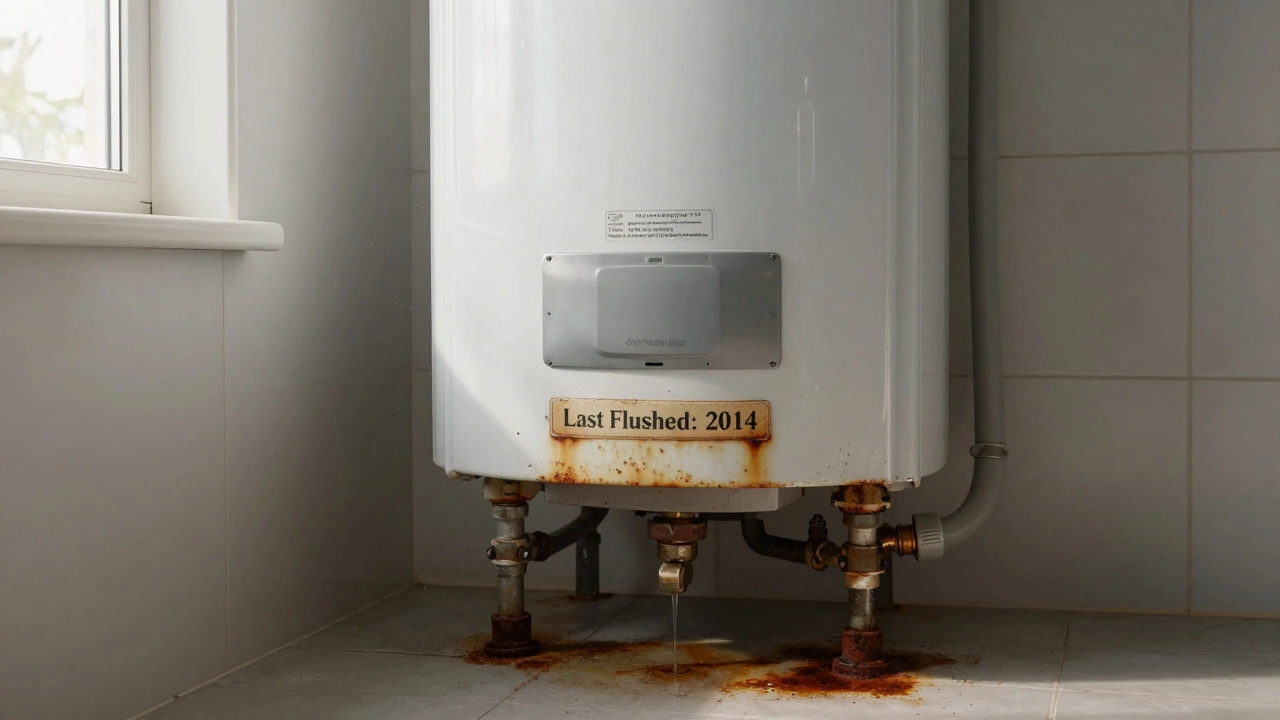
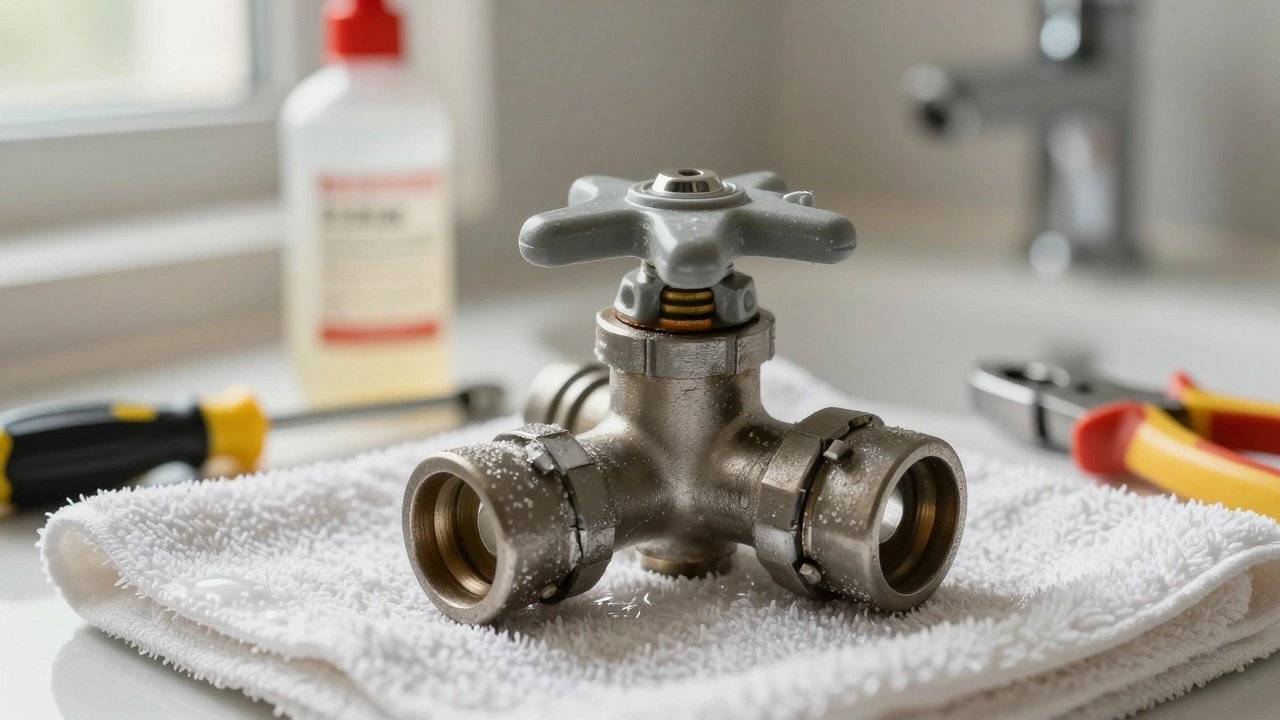
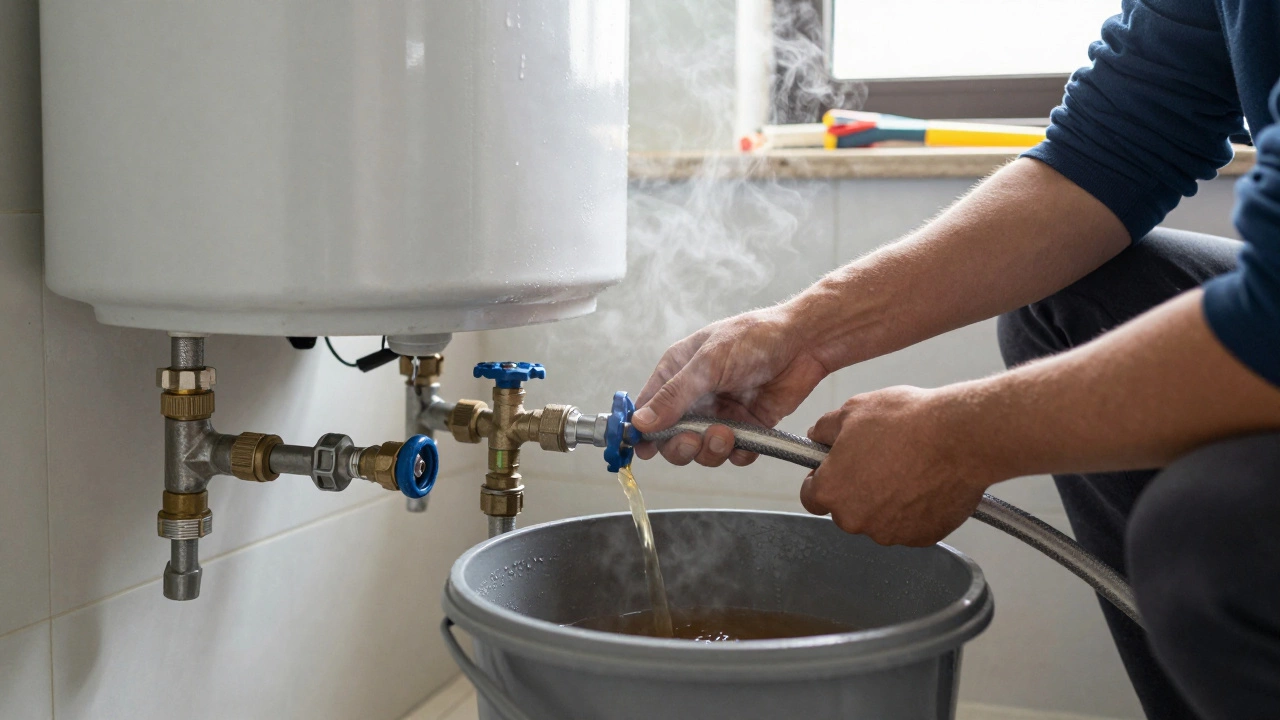
If the heater still won’t heat, drain a few gallons of water to clear out sediment. Sediment acts like insulation, making the heater work harder and often tripping the safety switch. Hook a garden hose to the drain valve, open it, and let the water run until it’s clear. While you’re at it, check the temperature setting; 120°F (49°C) is a good balance of comfort and efficiency.
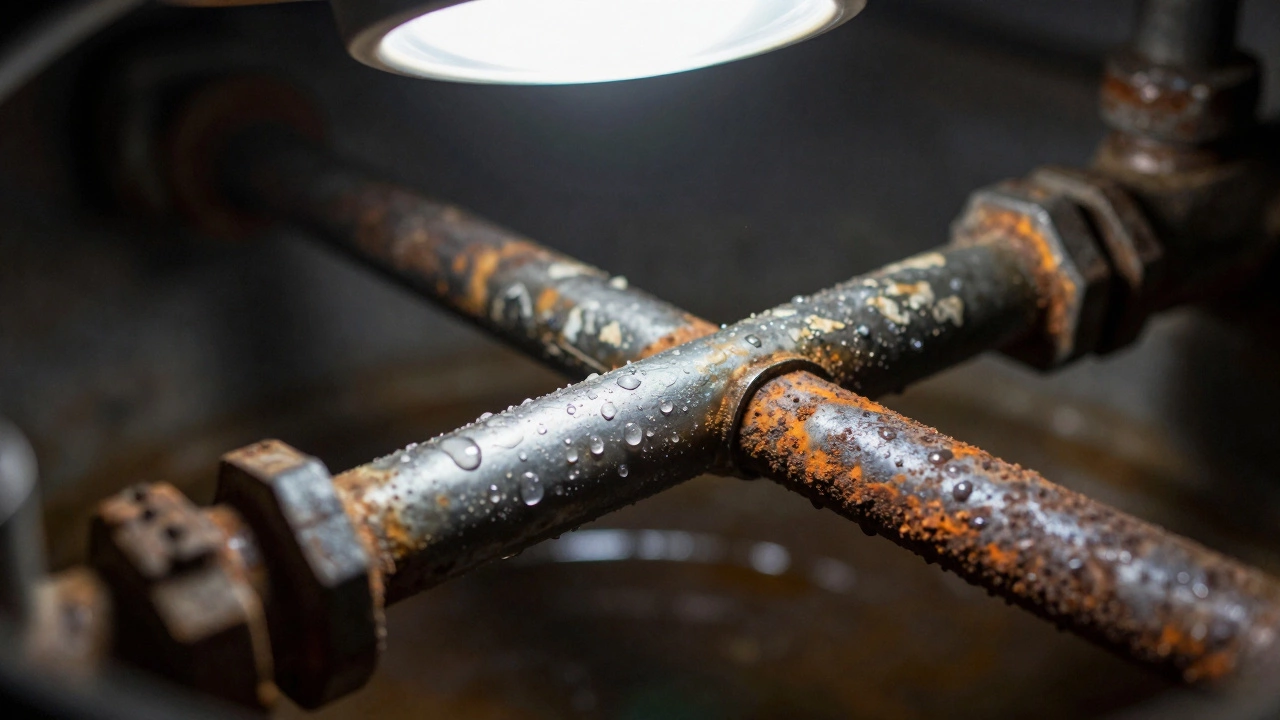
When those DIY moves don’t help, it’s a clear sign something deeper is wrong. A constantly tripping reset button usually points to a faulty thermostat or a burnt heating element. Leaks around the pressure relief valve or at the base of the tank mean the internal lining might be corroded. Both situations need a professional’s eye because they can cause water damage or pose safety risks.
Another red flag is age. If your water heater is pushing 15‑20 years, the parts are wearing out and efficiency drops sharply. Upgrading to a newer, energy‑star model often saves more on utility bills than fixing an old unit forever. A quick cost‑benefit check—compare repair quotes with replacement estimates—helps you decide.
Before you pick up the phone, gather a bit of info: the make and model, the exact symptoms (no heat, strange noises, leaks), and any recent changes (power outages, new appliances). This makes the technician’s visit faster and potentially cheaper because they arrive knowing what to look for.
Bottom line: most water heater hiccups have a simple cause you can check in five minutes. If the breaker, pilot, reset button, or sediment are the issue, you’ll often fix it yourself. But don’t ignore repeated failures, leaks, or an aging unit—those need a qualified pro to keep your home safe and your showers hot.
29 March 2026
·
0 Comments
Discover how to diagnose a faulty water heater element using simple tools. Learn signs of failure, how to test resistance safely, and when to call a professional for repairs.
Read more
23 March 2026
·
0 Comments
Learn how to test and replace a faulty heating element in your electric water heater. Simple steps to diagnose no hot water, save money, and avoid costly repairs.
Read more
19 March 2026
·
0 Comments
Learn how to safely reset both electric and gas water heaters when they stop producing hot water. Step-by-step instructions, common mistakes to avoid, and when to call a professional.
Read more
12 March 2026
·
0 Comments
Your hot water stopped suddenly? It could be a tripped breaker, failed element, or sediment buildup. Learn the most common causes and what to do right now to fix it or prevent worse damage.
Read more
8 March 2026
·
0 Comments
If you keep resetting your water heater to get hot water, it’s not a coincidence-it’s a sign of a serious problem. Learn the five most common causes and how to fix them before your tank fails for good.
Read more
9 February 2026
·
0 Comments
Sudden loss of hot water? It’s rarely a full system failure. Learn the top 5 simple fixes for electric and gas water heaters-before calling a plumber.
Read more
19 January 2026
·
0 Comments
Most water heaters last 8-12 years. Learn the signs your unit is failing, how to extend its life with simple maintenance, and when to replace it with a more efficient model.
Read more
18 January 2026
·
0 Comments
If your shower has no hot water but other faucets work fine, the problem isn't your water heater. It's likely a clogged showerhead, worn valve, or misadjusted anti-scald device. Here's how to fix it yourself.
Read more
4 December 2025
·
0 Comments
Flushing your water heater removes sediment buildup that reduces efficiency and shortens lifespan. Learn the difference between draining and flushing, when to do it, and how to do it safely to extend your heater's life.
Read more
4 December 2025
·
0 Comments
Replace your water heater's anode rod every 1-3 years to prevent tank corrosion, rust, and leaks. This simple maintenance step can extend your heater’s life by a decade and save you thousands.
Read more
23 October 2025
·
0 Comments
Learn the most common hot water heater problem-sediment buildup-and how to diagnose, fix, and prevent it along with other typical issues.
Read more
21 October 2025
·
0 Comments
Learn how to spot the signs that your water heater needs a reset, follow safe step‑by‑step instructions, and know when to call a pro.
Read more